
How to Choose the Right Bluetooth Chip for Custom Bluetooth Earbuds
Many first-time buyers assume OEM and ODM simply mean “custom” versus “off-the-shelf.” In real Bluetooth earbuds projects, the difference affects development time, cost structure, risk ownership, and long-term scalability.
1/26/20262 min read
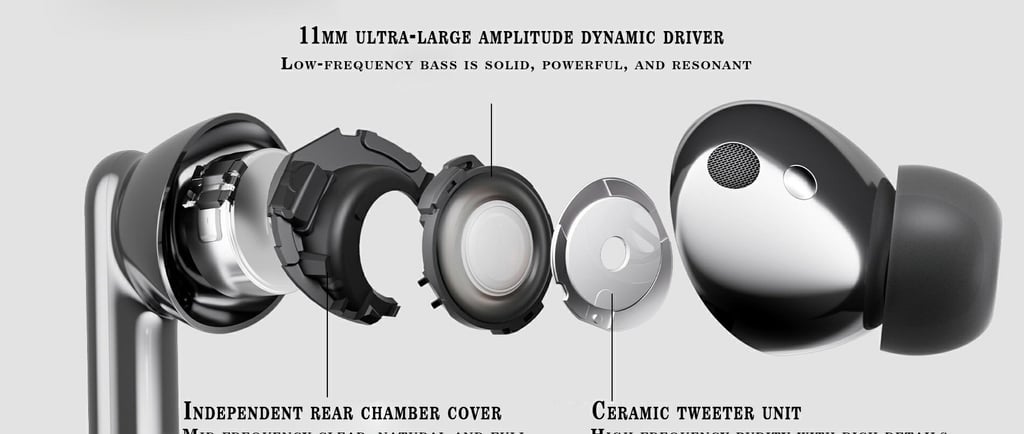
Why Bluetooth Chip Selection Matters More Than Most Buyers Realize
When buyers search for Bluetooth chip for custom Bluetooth earbuds, they are often looking for a quick recommendation.
In real custom Bluetooth earbuds projects we’ve worked on, the Bluetooth chip decision influences not only connection stability, but also battery life, sound quality, firmware flexibility, and long-term product reliability.
Choosing the wrong chip early often leads to costly redesigns later.
Bluetooth Chip Is the Core of the Entire Earbuds System
In custom Bluetooth earbuds, the Bluetooth chip acts as the system controller.
It directly affects:
Bluetooth stability and pairing speed
Audio processing capability
Power consumption
ANC and call noise reduction performance
Once the chip is fixed, many other design decisions become locked.
Different Usage Scenarios Require Different Chip Priorities
Bluetooth chip selection should match the product’s main use case.
For example:
Daily lifestyle earbuds prioritize stable connection and battery efficiency
Office and call-focused earbuds require strong microphone processing capability
Sports earbuds emphasize low power consumption and fast reconnection
Gaming earbuds focus on low latency performance
In real projects, mismatch between chip capability and usage scenario is a common mistake.
Bluetooth Version Is Not the Only Factor
Many buyers focus on Bluetooth version numbers.
In practice, more important factors include:
Real-world connection stability
Multi-device compatibility
Firmware maturity
We’ve seen projects using newer Bluetooth versions perform worse due to immature firmware.
Power Consumption and Battery Life Relationship
Bluetooth chips directly influence battery performance.
Key considerations include:
Idle power consumption
Active audio streaming efficiency
Standby drain control
In several projects, switching to a more efficient chip extended real usage time without increasing battery size.
Firmware Flexibility and Customization Capability
Firmware flexibility determines how much customization is possible.
Some chips allow:
Custom touch control logic
Power-saving optimization
Feature expansion through firmware updates
Limited firmware flexibility restricts future upgrades and feature refinement.
ANC and Call Noise Reduction Compatibility
Not all Bluetooth chips handle ANC and call noise reduction equally.
Advanced features may require:
Dedicated DSP capability
Multi-microphone processing support
Extended tuning time
Selecting a chip without sufficient processing headroom often limits performance.
Supply Chain Stability and Long-Term Availability
Chip availability is a practical concern.
Experienced buyers evaluate:
Chip supplier stability
Long-term supply commitment
Multi-source risk
Stable chip supply reduces future production disruption.
Cost Differences Between Bluetooth Chips
Chip cost differences affect more than BOM pricing.
They also influence:
Development time
Firmware effort
Testing complexity
Cheaper chips sometimes result in higher total project cost due to instability.
Common Chip Selection Mistakes We See
In real custom Bluetooth earbuds projects, common mistakes include:
Choosing based only on unit price
Ignoring firmware maturity
Overestimating feature capability
These issues often surface during sample testing.
How Experienced Buyers Make Chip Decisions
Experienced buyers usually:
Define primary usage scenario first
Balance performance with firmware maturity
Plan for long-term product iterations
Chip selection is treated as a strategic decision, not a component choice.
Conclusion: The Right Chip Sets the Ceiling of Your Product
In custom Bluetooth earbuds, the Bluetooth chip defines performance limits, development flexibility, and long-term stability.
Choosing correctly at the beginning prevents redesign, delays, and unnecessary cost.
Call to Action
📩 Not sure which Bluetooth chip fits your custom Bluetooth earbuds project?
We help buyers evaluate chip options based on usage scenarios, budget, and long-term plans.
Contact
Reach us anytime via email or WhatsApp
Mail:info@inpoteheadphones.com
WhatsApp:+86 18208481245
© 2025. All rights reserved.